

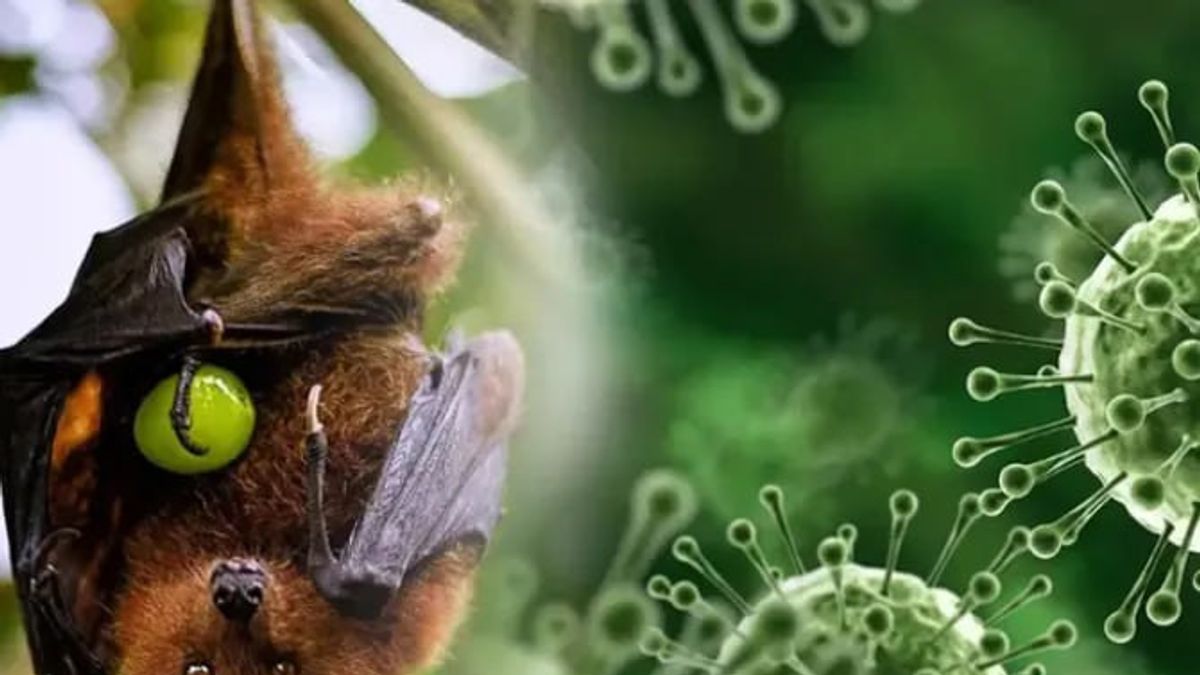
Nipah virus remains a serious health threat in Asia with a high death rate.
Nipah virus is a very dangerous disease that spreads from animals to humans. It is still a serious health problem in many Asian countries. The virus can also spread from one person to another. Because many people die from it, doctors consider it one of the most dangerous new diseases in the world.
What is Nipah Virus?
Nipah virus is a disease that usually spreads from animals to humans. People who get infected often have fever and serious problems in the brain and lungs. Common signs include headache, confusion, trouble breathing, and a bad cough.
Doctors say that 40% to 75% of infected people may die, depending on how quickly they get medical care.
History of Outbreaks
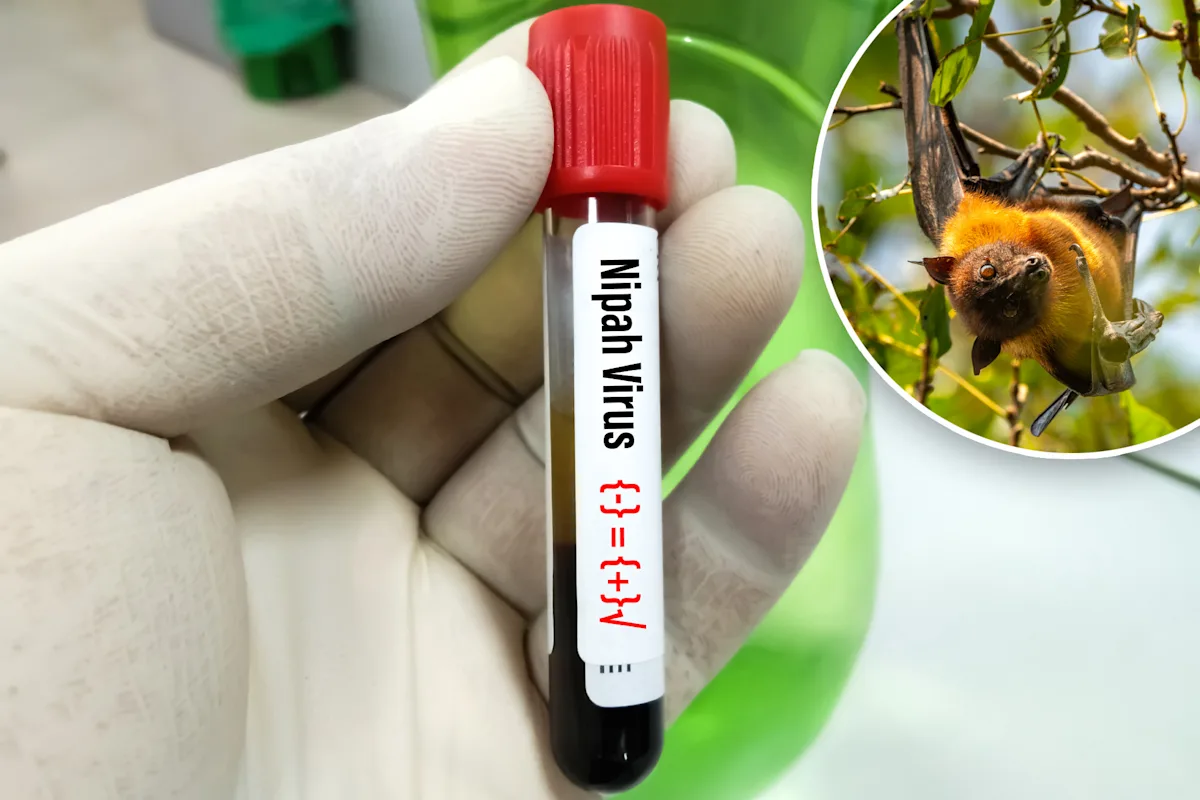
Nipah virus was first found in 1998 in Malaysia, where pig farmers became sick. In 1999, cases were also reported in Singapore because infected pigs were imported. After that, no new cases were seen in Malaysia or Singapore.
Since 2001, Nipah outbreaks have happened many times in Bangladesh and India. Bangladesh reports cases almost every year. India has also seen outbreaks in different areas, including the most recent one in 2026. In 2014, the Philippines reported cases, but no new cases have appeared since then.
How the Virus Spreads
Fruit bats are the main carriers of Nipah virus. The bats do not get sick, but they can spread the virus to humans in these ways:
- Touching infected bats or animals like pigs and horses
- Eating fruits or drinking raw date palm juice that bats have touched
- Close contact with infected people, especially at home or in hospitals
Hospitals with poor cleanliness, bad airflow, and overcrowding have a higher risk of spreading the virus from person to person.
Symptoms and Severity
Symptoms usually appear 3 to 14 days after infection, but in rare cases, it can take up to 45 days.
Common symptoms are:
- Fever
- Headache and confusion
- Breathing problems and cough
- Tiredness, vomiting, diarrhoea, and dizziness
In serious cases, the virus can cause brain swelling, which may lead to coma or death. About 20% of survivors may have long-term brain problems.
Diagnosis and Treatment
Nipah virus cannot be confirmed without lab tests because its symptoms look like other illnesses. Doctors use special blood tests and RT-PCR tests to diagnose it.
There is no vaccine or specific medicine for Nipah virus yet. Doctors can only give supportive treatment, such as oxygen, fluids, breathing support, and care for complications. Early treatment can help save lives.

Prevention Measures
The World Health Organization (WHO) advises these safety steps:
- Do not drink raw date palm juice
- Wash and peel fruits before eating
- Throw away fruits that look bitten by bats
- Wear protective clothes when handling sick animals
- Avoid close contact with infected people
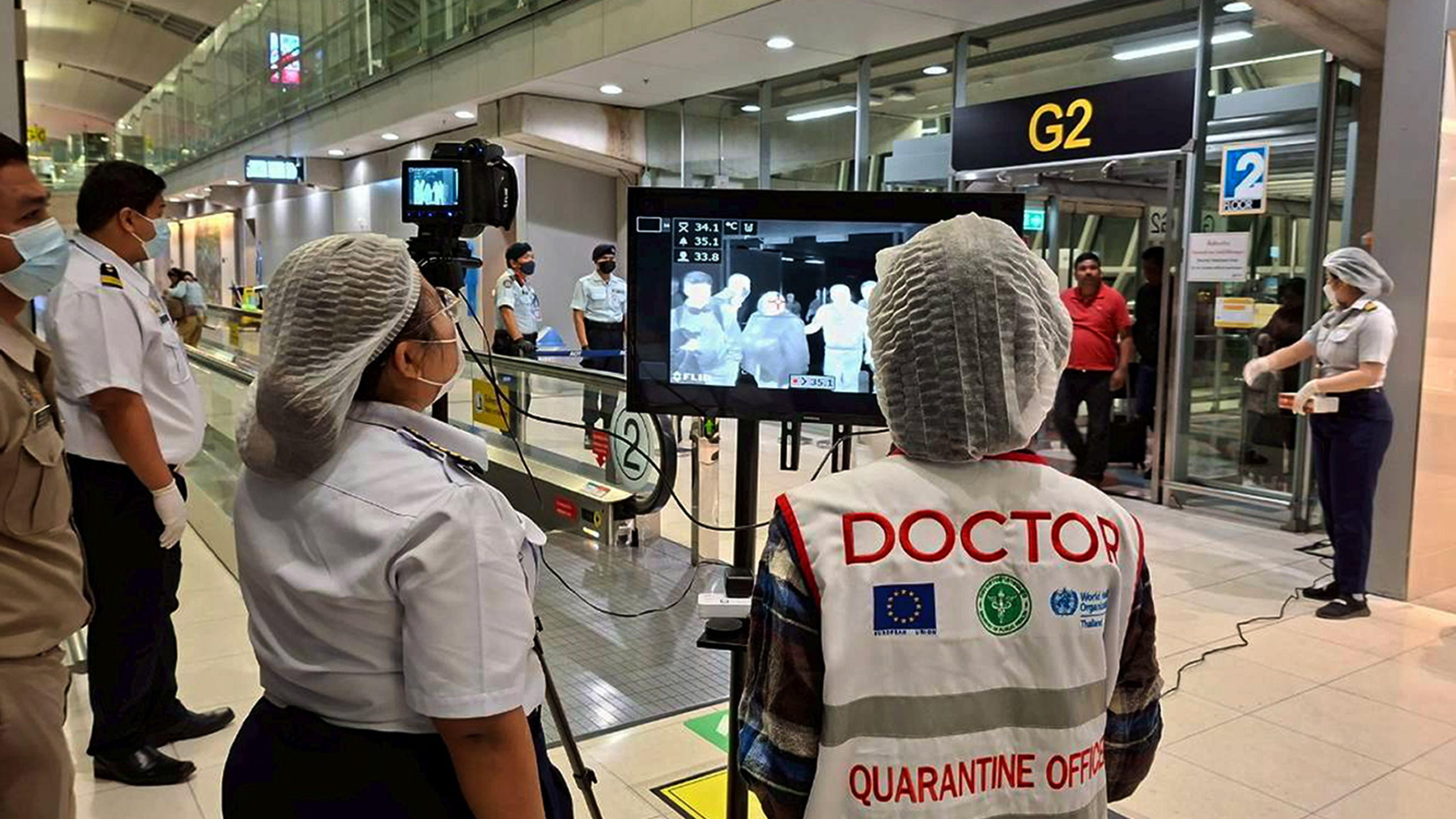
Hospitals must follow strict safety rules to prevent the virus from spreading.
Must Read: UAE Residents Rush to Sell Gold Jewellery After Price Drop
WHO Response
WHO is working with affected countries to improve disease monitoring, testing, treatment, and public awareness. Nipah virus is listed as a priority disease, and scientists are working on vaccines and treatments.
Do Follow Us on Facebook: Kafalat News








[…] Must Read: Nipah Virus: A Dangerous Disease Causing New Worries in Asia […]
[…] Must Read: Nipah Virus: A Dangerous Disease Causing New Worries in Asia […]
[…] Must Read: Nipah Virus: A Dangerous Disease Causing New Worries in Asia […]
[…] Must Read: Nipah Virus: A Dangerous Disease Causing New Worries in Asia […]
[…] Must Read: Nipah Virus: A Dangerous Disease Causing New Worries in Asia […]
[…] Must Read: Nipah Virus: A Dangerous Disease Causing New Worries in Asia […]