


A WHO and IARC study reveals that 37% of global cancer cases were linked to preventable causes like smoking, infections, alcohol, and obesity.
Up to four in ten cancer cases around the world could actually be prevented, according to a new study by the World Health Organization (WHO) and its International Agency for Research on it (IARC). The study looked at 30 causes this disease that can be avoided, including smoking, alcohol use, being overweight, lack of exercise, air pollution, too much sun, and for the first time, nine types of infections that can cause cancer.
The analysis, released before World Cancer Day on 4 February, estimates that in 2022, around 37% of all new cancer cases roughly 7.1 million were linked to preventable causes. This shows the huge role prevention can play in reducing cancerous disease worldwide.
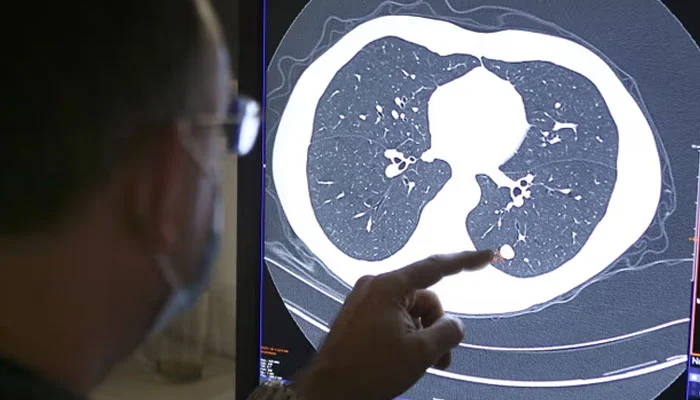
The study looked at data from 185 countries and 36 types of this disease. It found that tobacco is the main preventable cause, responsible for 15% of new cancer cases, followed by infections (10%) and alcohol (3%). Among the types of cancer that could be prevented, lung, stomach, and cervical cancer made up almost half of all cases globally. Lung’s illness was mostly caused by smoking and air pollution, stomach cancerous disease by a bacterial infection called Helicobacter pylori, and cervical serious illness by human papillomavirus (HPV).
“This is the first global study to show how much cancer risk comes from causes we can prevent,” said Dr André Ilbawi,
WHO Team Lead for Cancerous Disease Control. He added that understanding these patterns helps governments and people take action to prevent cancer before it starts.
Key Findings Cancer Cases from WHO Study
| Category | Data |
|---|---|
| Total preventable cases (2022) | 37% (7.1 million cases) |
| Countries studied | 185 |
| Cancer types analyzed | 36 |
| Main preventable cause | Tobacco (15%) |
| Second major cause | Infections (10%) |
| Third major cause | Alcohol (3%) |
| Preventable cases in men | 45% |
| Preventable cases in women | 30% |
| Highest rate (Men) | East Asia (57%) |
| Lowest rate (Men) | Latin America & Caribbean (28%) |
| Highest rate (Women) | Sub-Saharan Africa (38%) |
| Lowest rate (Women) | North Africa & West Asia (24%) |

“By including infections along with lifestyle, environment, and work-related risks, this study gives the clearest picture of preventable cancerous disease worldwide,” said Dr Isabelle Soerjomataram
Deputy Head of the IARC Cancerous Disease Surveillance Unit. She highlighted that tackling preventable causes is one of the strongest ways to reduce cancer.
Must Read: Nipah Virus: A Dangerous Disease Causing New Worries in Asia
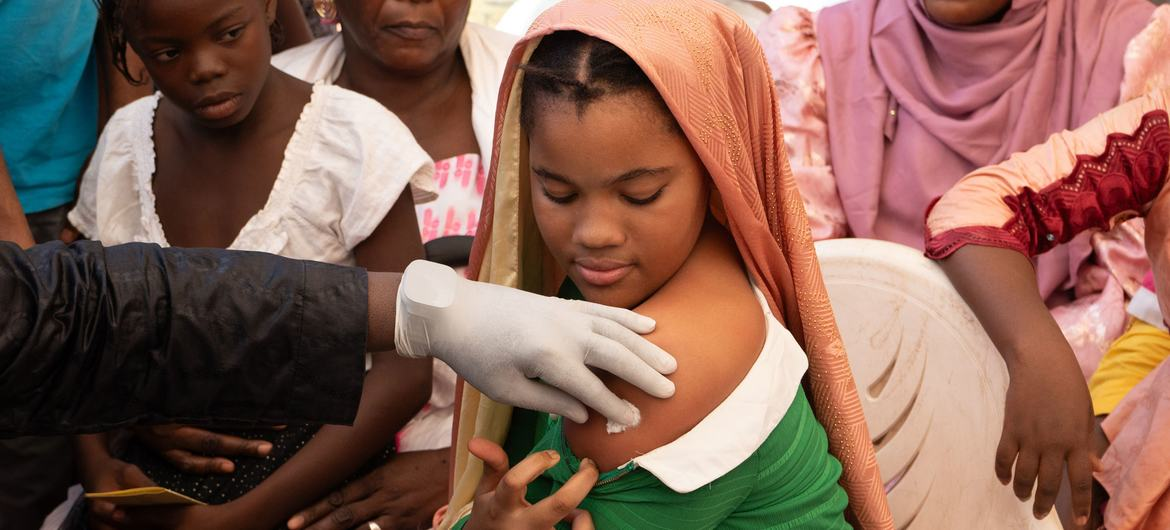
The study emphasizes the need for region-specific prevention strategies, including strong tobacco control, regulating alcohol, vaccines for HPV and hepatitis B, cleaner air, safer workplaces, and promoting healthy diets and exercise.
Coordinated efforts across sectors like health, education, transport, energy, and labor can prevent millions from experiencing Cancerous Disease. Reducing these preventable risks not only lowers cancerous disease rates but also cuts healthcare costs and improves overall health and well-being.
Do Follow Us on Facebook: Kafalat News