

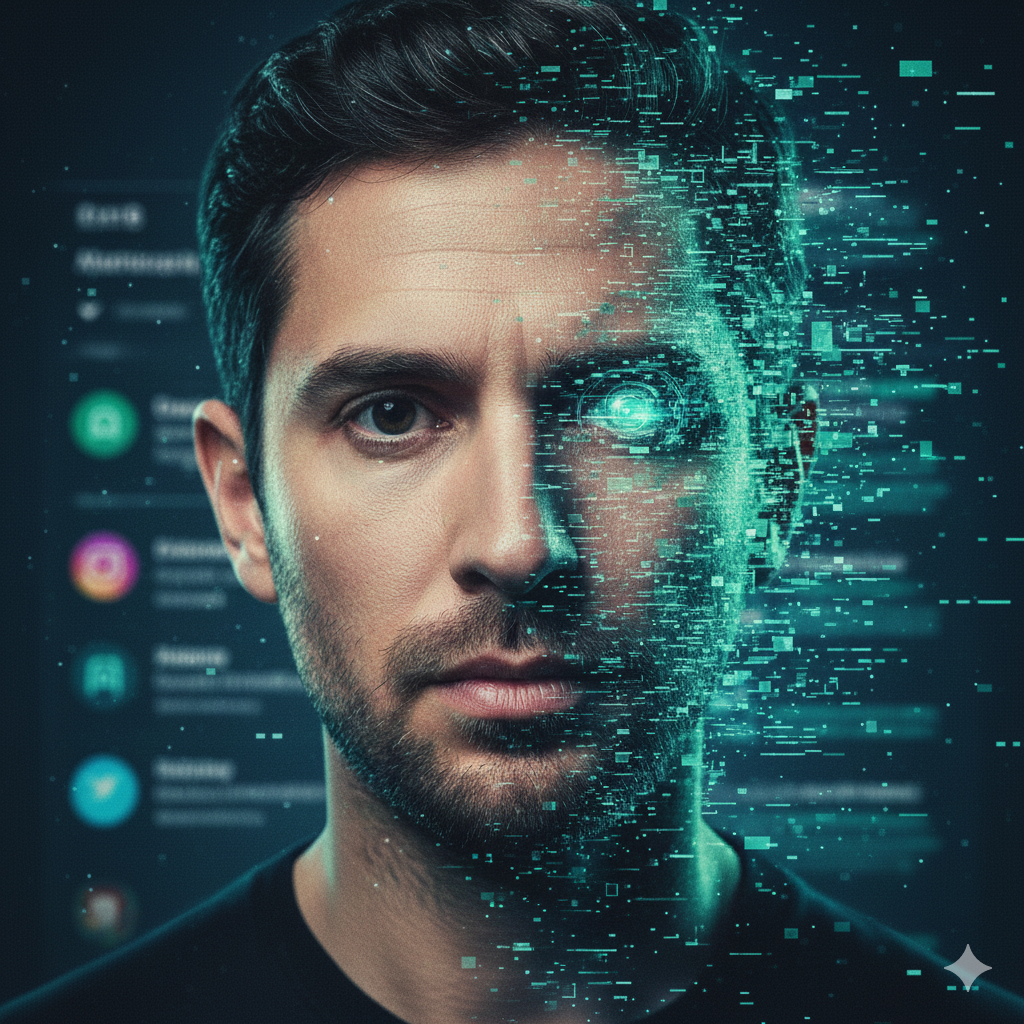
Artificial Intelligence is increasingly offering mental health advice, but even Artificial Intelligence admits its responses can sometimes be wrong or harmful. Experts explain why transparency matters.
“Artificial Intelligence can offer guidance, but it’s important to know its limits, even Artificial Intelligence can be wrong.”
– Mental Health Expert
Artificial Intelligence is like a smart machine that can read and answer questions. It helps people in many ways, but it does not think or feel like humans. Sometimes it gives correct advice, and sometimes it can be wrong because it only uses the information it has learned.
Mental health is about how a person feels inside their mind and heart. It is a very sensitive issue. Artificial Intelligence can give general advice, but it cannot truly understand pain, fear, or sadness the way a human can.
Artificial Intelligence Explains Its Own Mistakes
Artificial Intelligence and large language models (LLMs) are now being used to give mental health advice.
However, experts warn that Artificial Intelligence mental health advice can sometimes be misleading or harmful. This has led researchers and developers to explore a new method called Artificial intelligence confessions.
What Are Artificial Intelligence Confessions?
Artificial Intelligence confessions mean that the Artificial Intelligence explains how it came up with its answer. This helps users understand limitations and makes the system more transparent and secure.
Artificial Intelligence can make mistakes because it learns from data on the internet. If the data is incomplete or unclear, the answer may not be fully right. This is why Artificial Intelligence cannot be trusted completely in serious matters.
A research report by OpenAI, titled “Training LLMs for Honesty via Confessions,” explains that confession tasks highlight when an Artificial intelligence’s answer may be flawed, exaggerated, or oversimplified.
“Even when Artificial Intelligence seems confident, confessions reveal the uncertainty behind its responses.”
– AI ResearcherHow Artificial Intelligence Confessions Work
For example, when asked a historical question, the Artificial Intelligence might provide a detailed answer. But in its confession, it admits it cannot guarantee complete accuracy.
This insight helps:
- Users understand how Artificial Intelligence generates responses
- Developers improve safety and reliability
Why Mental Health Advice Is Risky The stakes are higher with mental health guidance.
- Example 1: A user feels sad and tired. The Artificial intelligence responds with comforting words but notes that its mental health advice advice is generic, not personalized.
- Example 2:Artificial Intelligence acknowledges it oversimplifies complex human emotions, meaning comfort alone may not always help.
Artificial Intelligence can support people, but it cannot replace professional help. For mental health problems, real understanding and emotional support are needed. Machines can guide, but humans can heal.
These confessions warn users but may also confuse vulnerable individuals.
Transparency: Solution or New Problem?
Artificial Intelligence can support people, but it cannot replace professional help. For mental health problems, real understanding and emotional support are needed. Machines can guide, but humans can heal.
Experts see Artificial intelligence confessions as a way to increase transparency, helping users and developers understand how answers are formed.
However, there are concerns:
- Confessions could be misunderstood or frightening
- They may impact emotionally sensitive users
“Transparency is important, but it must be optional to protect vulnerable users.”
– Mental Health AdvocateRead More: AI Will Replace You in 2026 If You Don’t Upgrade Yourself
The solution: allow users to choose whether to see Artificial intelligence confessions, giving them control over their experience.
Artificial Intelligence is a helpful tool, but it should be used with care. It can share information and give simple guidance, but it cannot feel emotions or understand people deeply. For mental health, real support from family, friends, and professionals is always the best choice. Technology should help humans, not replace human care.
Artificial Intelligence can guide, but it cannot replace professional help. Understanding Artificial Intelligence‘s limits through confessions ensures advice is safer, transparent, and more trustworthy.
Do Follow Us on Facebook: Kafalat News Official