

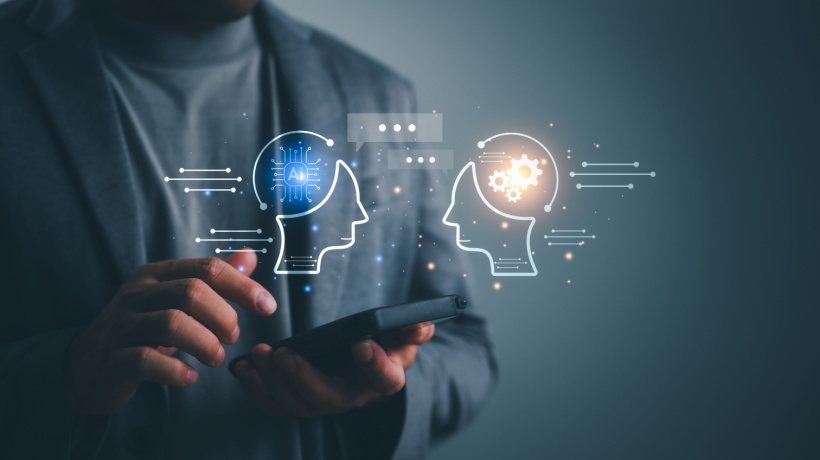
A student’s journey of learning that empathy, creativity, and connection matter more than grades or technical skills in an AI-driven world.
I used to believe that success was simple. If you had good grades, strong technical skills, and knew how to use the latest tools, life would automatically work out. As a student, I spent most of my time chasing marks, collecting certificates, and learning software that everyone online called “future-proof.” I measured my worth through results and achievements.
I believed emotions, communication, and people skills were optional things, something you could learn later if needed. In my mind, logic mattered more than feelings, and efficiency mattered more than understanding. As artificial intelligence kept growing smarter every day, I felt proud of becoming more disciplined, more calculated, and honestly, more machine-like. I thought this was the safest way to survive in a competitive world.
Being human is not a weakness; it is your real advantage
Things get change during my final year when AI tools started becoming common in classrooms. Students were using AI to write assignments, solve problems, and even prepare full presentations within minutes. At first, I was impressed. Then I became uncomfortable. The same answers, the same writing styles, and the same ideas were everywhere. I remember sitting in class one afternoon, scrolling through different submissions, and feeling a strange emptiness.
The effort I once felt proud of no longer stood out. Knowledge was no longer rare. Tools were available to everyone. That day, a question stayed in my mind longer than any lecture: if everyone has access to the same technology, what actually makes a person different?

The first real wake-up call came during a group project. On paper, I was the strongest member. I understood the topic well and followed all the instructions also completed my assigned work early,. But despite this, the project went badly. Meetings were unproductive, deadlines kept shifting, and small misunderstandings slowly turned into arguments.
Everyone wanted to lead, but no one wanted to listen. I noticed that I often interrupted others or ignored ideas that didn’t match mine. At the time, I thought I was being efficient. Later, I realized I was being insensitive. The project didn’t fail because we lacked skills. It failed because we lacked understanding.
That experience affected me more than a low grade ever could. After one particularly tense discussion, a teammate spoke to me privately and said something very simple but honest: “You know a lot, but you don’t really listen.” I didn’t reply, because I knew it was true. That sentence stayed with me for days.
AI could generate answers faster than me, but it could not read body language, sense frustration, or calm an emotional situation. It could not build trust. For the first time, I understood that intelligence without empathy is incomplete. Emotional intelligence was not a soft extra , it was a missing piece.
“Machines can calculate, but only humans can connect.
I started making small changes, not overnight, but slowly. I practiced listening without interrupting. I tried to understand why people felt a certain way instead of immediately responding with logic. During disagreements, I focused less on winning and more on understanding. These small changes made a bigger difference than I expected. Group discussions became smoother.
Friends started sharing more openly with me. Even teachers responded more positively when I communicated clearly and respectfully. Teamwork stopped feeling exhausting and started feeling collaborative. I realized that people don’t just remember what you know , they remember how you make them feel.

Creativity was another soft skill I had always ignored. I believed creativity was only for artists or writers, not for practical students like me. But when AI began producing polished content so easily, I noticed something missing , personal experience. When I started adding my own struggles, failures, and thoughts into my writing, people reacted differently. My assignments felt more genuine. My presentations felt more confident. I stopped trying to sound perfect and started trying to sound honest. That honesty created connection. AI could organise information well, but it could not replace lived experience, mistakes, or personal growth.
In the age of intelligence I figured out that being a human being is actually a good thing. Things, like being able to understand people talk to them adjust to situations and think of new ideas are really important. Artificial intelligence machines can help us with some things but they cannot feel emotions like humans do they cannot make friends with people. Really get what humans are feeling.
As artificial intelligence technology gets better and better the things that make us human are becoming more and more important. Knowing a lot of facts and things can get you a job. It is the human qualities that decide how long you keep that job and how successful you are. Success is no longer just about what you know, but how you interact, collaborate, and grow with others.
Must Read: Extreme Poverty in UK Reaches Record Level, Report Reveals
If I could give one lesson to students like me it would be this: do not try to be like machines. Learn how to use the tools and get better at the stuff and always try to stay up to date.. Do not forget who you are in the process.
The future is going to belong to the students who can put together being smart, with being kind getting things done with being creative and knowing things with understanding them. In a world that’s full of artificial intelligence the students who will really stand out are the ones who know how to listen to people feel what they are feeling adapt to new situations and connect with others. That is something no algorithm can replace.
“AI can answer questions, but it can’t understand a human heart.”
Do Follow Us on Facebook: Kafalat News Official







[…] Must Read: Hard Skills (AI) Can Get You a Job, But Soft Skills Keep You Ahead […]